The Hidden Similarities Between Game Development and Software Engineering
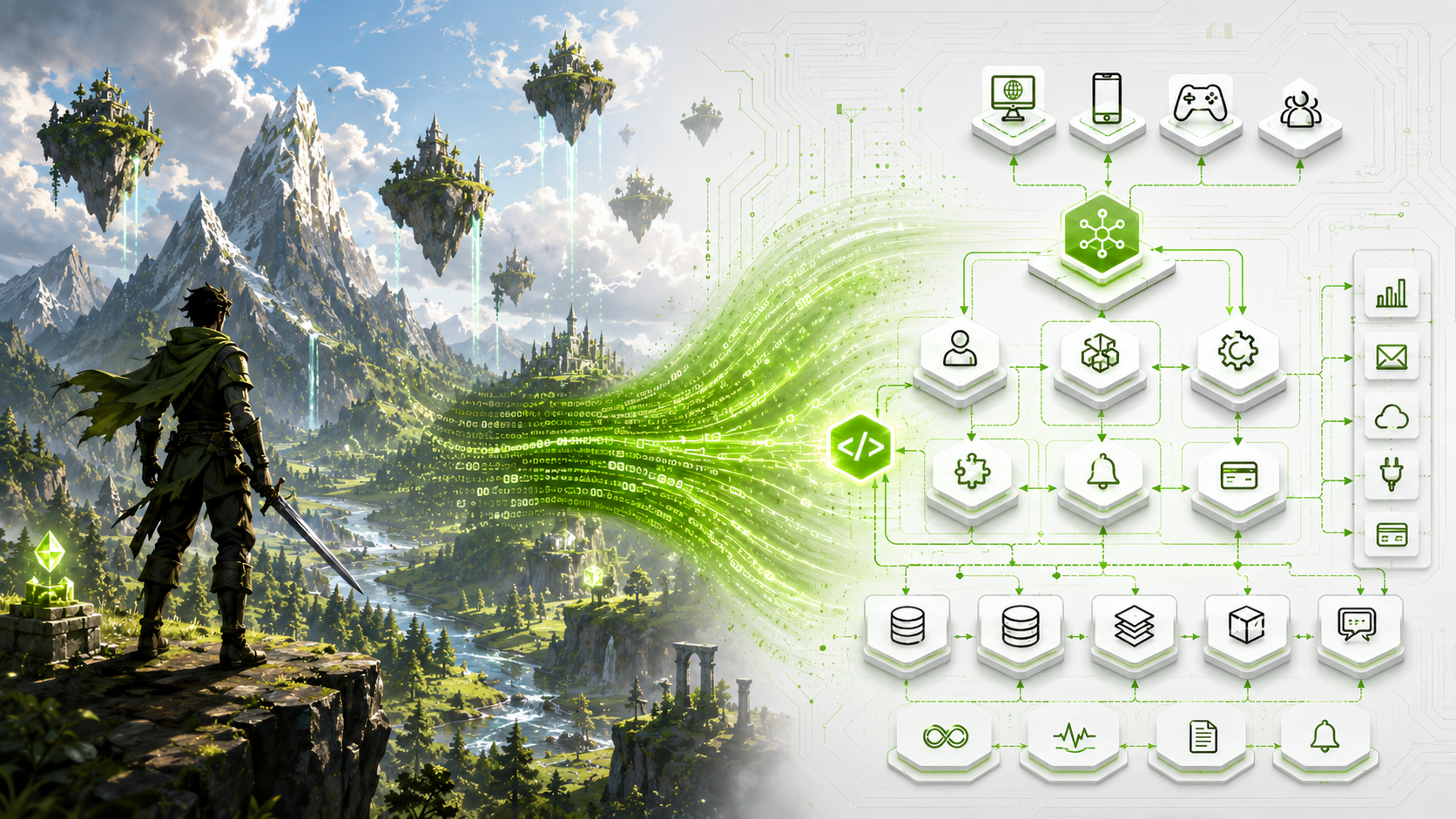
At first glance, game development and traditional software engineering might seem worlds apart. One conjures images of epic worlds, characters, and storytelling; the other evokes enterprise apps, APIs, and databases. Yet, beneath the surface, the two fields share many fundamental principles. Recognizing these similarities can make you a better developer, whether your code powers a blockbuster game or a productivity tool.
Problem-Solving is the Core
Both game developers and software engineers spend most of their time solving problems. In software engineering, you might debug a tricky algorithm or optimize database queries. In game development, you solve problems like physics glitches, AI pathfinding, or performance bottlenecks. In both cases, analytical thinking, creativity, and persistence are essential.
Game development and software engineering both turn complex ideas into reliable systems through design, iteration, testing, and problem-solving.
Version Control is Non-Negotiable
Whether you're building a mobile app or a 3D RPG, version control systems like Git are lifesavers. They allow teams to collaborate safely, track changes, and revert mistakes. Game projects, especially large ones with assets and code, rely heavily on disciplined version control practices—just like enterprise software projects.
Testing is a Continuous Process
Testing isn't just for QA teams—it's part of every developer's workflow. In software engineering, unit tests and integration tests ensure reliability. In games, testing covers not only code functionality but also gameplay experience. Bugs in physics, AI, or graphics can ruin immersion, just as a bug in a financial app can cause serious issues.
Performance Optimization is Universal
Efficiency is a shared concern. Software engineers optimize memory usage, CPU cycles, or network requests. Game developers do the same but often in real time, balancing frame rates, rendering pipelines, and AI calculations. Both disciplines require careful profiling and targeted optimization.
Collaboration and Communication Matter
Large-scale projects—whether games or software platforms—demand teamwork. Developers coordinate with designers, artists, testers, and project managers. Clear communication, documentation, and project management tools keep complex projects on track, regardless of whether the end product is a game or a web application.
Creativity Has a Place in Both
It's easy to assume creativity belongs only to games, but software engineering often demands innovative solutions too. Designing an intuitive user interface, creating an efficient algorithm, or architecting a scalable system all require creative thinking—just like building a game world.
Continuous Learning is Essential
Technology evolves fast in both domains. New frameworks, engines, libraries, and programming paradigms appear constantly. A good developer—game or software—never stops learning, experimenting, and adapting.
Game development may feel like a playground of imagination, while software engineering seems more structured and utilitarian. Yet at their core, both rely on problem-solving, clean architecture, collaboration, and continuous improvement. Recognizing these hidden similarities can help developers transition between domains, borrow best practices, and become more versatile professionals.
Whether you're debugging a game AI or refactoring a web app, the principles remain strikingly similar—and mastering them in one domain strengthens your skills in the other.